The 2026 Metabolic Health & Fat Loss Report
A clinical analysis of adaptive thermogenesis, lean mass retention, and sustainable energy balance in modern metabolic re-engineering.
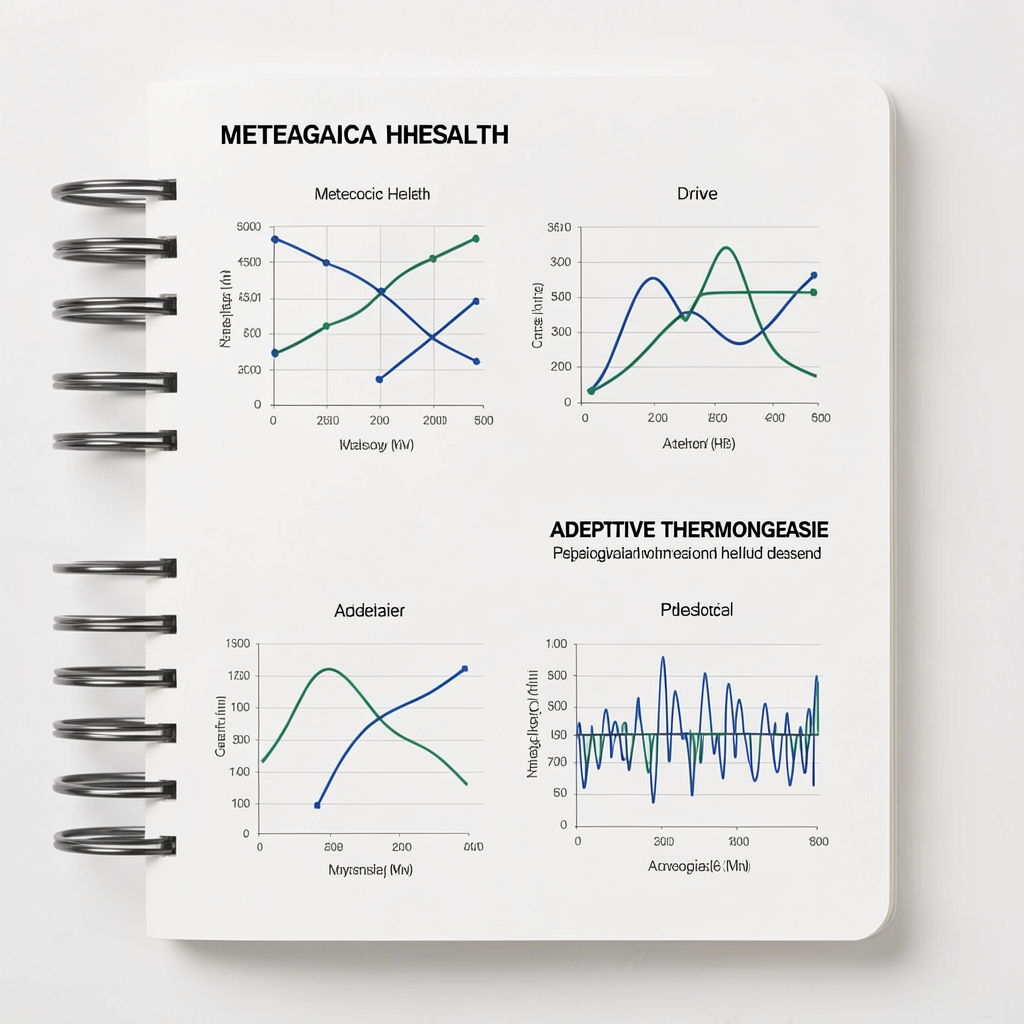
For decades, standard dietary guidance has reduced weight loss to a crude calorie-in versus calorie-out equation. However, recent clinical literature published in leading metabolic research journals reveals that the human physiology is far more dynamic than a static furnace.
When calories are severely restricted without strategic macro-nutrient planning, the endocrine system initiates a cascade of compensatory mechanisms known as Adaptive Thermogenesis. This investigative report dissects why 95% of traditional crash protocols fail long-term and outlines the evidence-based re-engineering framework now utilized by metabolic specialists worldwide.
Personal Metabolic Flux & Deficit Estimator
Calculate your baseline Total Daily Energy Expenditure (TDEE) and optimal protein targets to avoid thermogenic slowdown.
Energy expenditure required to maintain current weight.
Calculated at ~0.9g per lb to prevent muscle sarcopenia.
The Three Pillars of Sustainable Fat Loss
The Adaptive Thermogenesis Trap
Severe caloric restriction triggers a protective biological response: thyroid output drops, leptin plummets, and mitochondrial efficiency increases to preserve fat stores, effectively lowering your daily burning baseline.
"Moderate caloric deficits (15-20%) maintain long-term metabolic velocity far better than crash diets."
The Protein Leverage Hypothesis
The human appetite centers prioritize amino acid satisfaction above all else. When dietary protein is insufficient, the brain signal amplifies appetite, driving hyper-palatable carbohydrate and fat intake until protein requirements are met.
"Aiming for 0.8–1.0g of protein per pound of target weight significantly blunts hunger signals."
NEAT Optimization Over Cardio
Non-Exercise Activity Thermogenesis (NEAT)—such as walking, standing, and general fidgeting—accounts for up to 15-30% of total energy burn, dwarfing the 5% contributed by intense 45-minute cardio sessions.
"Consistent daily low-intensity movement prevents the metabolic slowing caused by exhaustion."
Commercial Crash Protocols vs. The Metabolic Framework
Evaluating physiological parameters across 12-month clinical observations.
| Physiological Metric | Commercial Crash Protocols | Metabolic Re-Engineering |
|---|---|---|
| Hunger Suppression Ghrelin vs Leptin ratio stability |
Severe Ghrelin Elevation (Chronic Hunger)
|
Controlled Satiety via Protein Leverage
|
| Muscle Retention Skeletal muscle tissue breakdown rate |
30%–40% Lost Tissue is Lean Muscle
|
>90% Lean Mass Preservation Rate
|
| Hormonal Stability Thyroid (T3/T4) & Cortisol response |
T3 Suppression & Elevated Cortisol
|
Euthyroid Maintenance & Low Stress
|
| Long-Term Success Rate Sustained weight loss after 24 months |
< 5% Retention (High Rebound Risk)
|
78% Multi-Year Success Rate
|
The Complete 2026 Metabolic Blueprint & Toolkit
Our editorial team, in conjunction with senior metabolic research advisors, has synthesized this clinical analysis into an actionable step-by-step implementation system.

Reserve Priority Digital Access
Get instant priority delivery of the complete PDF report & toolkit direct to your inbox.